Best Travel Gadgets: Pros, Cons and Alternatives
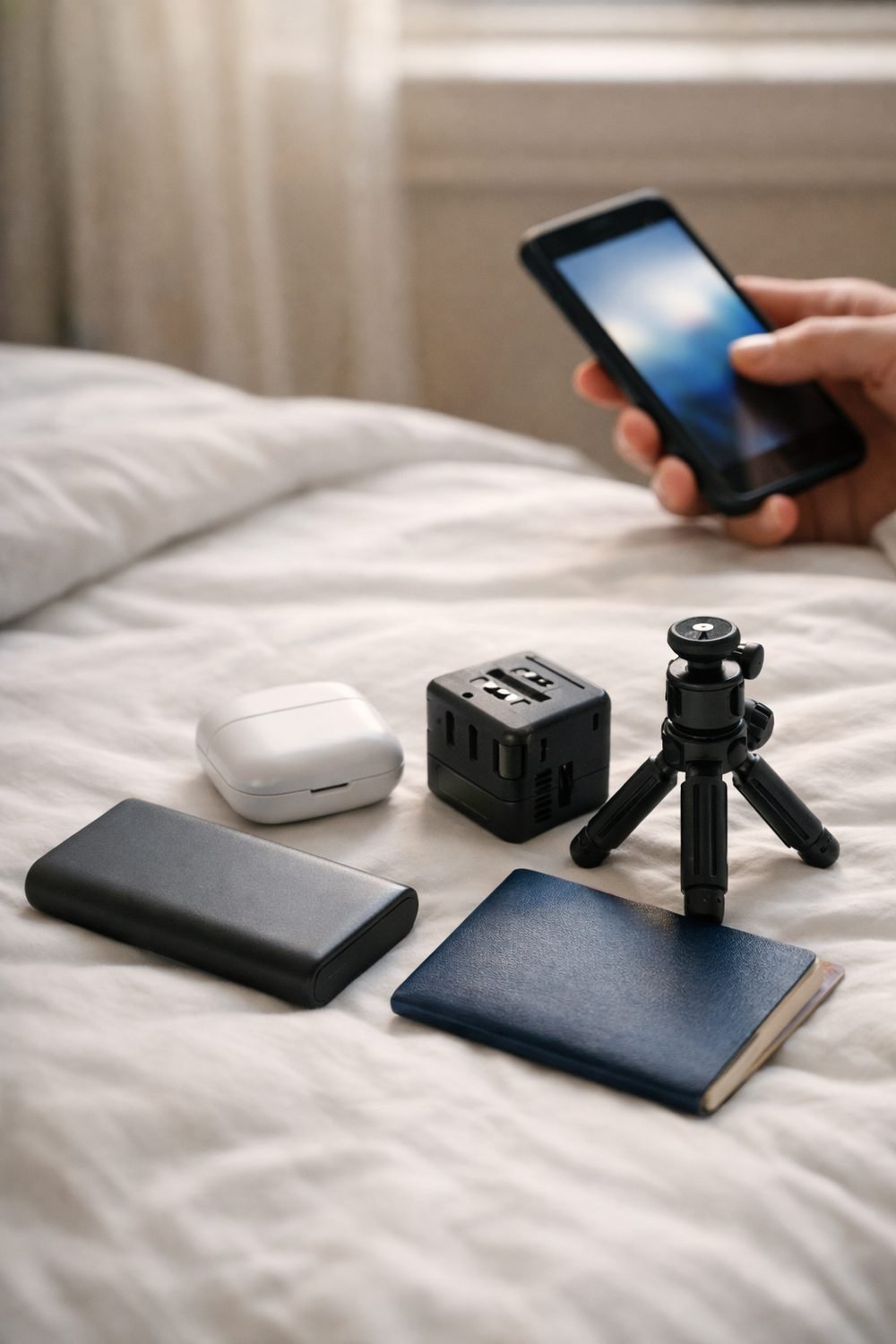
The best travel gadgets can make a trip easier. Every single one also adds weight to your bag and a little cost to your budget. Plenty of "must-have" gear never leaves its pouch, so it pays to be picky about what earns a spot.
Below are six cool travel gadgets people ask me about most. For each one I'll tell you what's good about it, what bugs me, and a cheaper or lighter option if you'd rather skip it. Take what fits your trips and leave the rest.
Short on time? Our top picks: Anker Power Banks, Apple AirTag, Samsung Galaxy SmartTag and Sony WH-1000XM5 Headphones. See all picks
1. Power Banks: A Best Travel Gadget for Your Day Bag
A power bank is the gadget I'd keep if I could only bring one. Your phone holds your boarding pass, your maps, your hotel booking and your photos. When it dies at the gate, everything gets harder. A charged power bank in your day bag, such as one from Anker, whichever best day backpack for travel you pick, means you stop hunting for outlets in airports and cafes.
The downsides are real, though, even for a gadget this useful. They're heavy for their size, and airlines have rules about them. Most airlines want them in your carry-on, not your checked bag, and some limit how big they can be. Rules can change and differ between airlines, so check your airline's page before you fly.
Alternative: If you only take short trips, a longer charging cable might be enough. It lets you sit a few steps from the wall outlet instead of standing next to it. Some planes and trains also have USB ports at the seat.
Tip: Charge it the night before you leave, not the morning of. A "full" power bank grabbed from a drawer can turn out to be nearly empty. It's not fun to find that out at the airport.
2. Plug Adapters
If you're heading to a country with different outlets, you need an adapter. There's no getting around that one. A universal adapter that covers several plug types is handy if you travel to more than one region, because you only buy it once.
The biggest problem isn't the gadget. It's that adapters are small and easy to leave behind. It is easy to leave one plugged into a hotel wall by accident. Also, an adapter only changes the plug shape. It doesn't change the voltage. Most phone and laptop chargers handle different voltages fine, but things like hair dryers may not. Look at the label on your device or ask the maker if you're not sure.
Alternative: Many hotels have a few adapters at the front desk to lend. It's worth asking, but I wouldn't count on it.
Tip: Tie a bright ribbon or piece of tape to your adapter. When you check out, you'll spot it in the wall right away.
3. Noise Cancelling Headphones for Air Travel
Here's an honest opinion: noise cancelling headphones are the gadget that surprised me most. They can seem overrated until you take a long flight next to a loud engine. With them on, the trip felt calmer. Arriving less tired can make the first day of a trip better.
The catch is cost. Good ones aren't cheap, and the over-ear kind take up space in your bag. They also need charging, which is one more thing to remember before you head to the airport. If you lose a pair on a trip, it stings.
Alternative: Plain foam earplugs cost very little and block a fair amount of noise. They won't play music, but they work well for sleeping on a plane or in a noisy hotel. Regular earbuds you already own can also help a bit.
Tip: Keep a cheap wired pair as backup. Some seat screens on planes still use a wired jack, and you'll be glad if your fancy pair runs out of battery.
4. Luggage Tracking Tags
A tracking tag, like the Apple AirTag, is a small device you drop into your bag. It connects to your phone so you can see roughly where your bag is. When my checked suitcase didn't show up on the belt once, being able to see it was still at the first airport took a lot of the panic out of it.
It's not magic. The tag needs a phone to work, and usually a certain type of phone or app. It also can't make an airline find your bag faster. It just tells you where it is. Some airlines have their own rules on tracking devices, so check your airline's page if you're unsure.
Alternative: A clear name tag with your phone number, plus a photo of your bag on your phone, goes a long way. If a bag goes missing, showing staff a photo is much easier than describing "a black suitcase."
Tip: Hide the tag in an inside pocket, not on the outside of the bag. It's less likely to get knocked off or noticed.
If you like being organized before a trip, my free Vacation Countdown Checklist and 1-Day Itinerary Page is yours when you join the email list.
5. Packing Cubes for Any Travel Backpack
Packing cubes, such as those from Eagle Creek, are zip-up fabric bags that split your clothes into groups. Shirts in one, socks in another, and so on. They are most useful on trips where you're moving between hotels. You can pull out one cube instead of digging through the whole suitcase.
They do add a bit of weight. And if you buy a big set, you might end up packing more just to fill them. You can skip the huge eight-piece sets. Two or three cubes are plenty for most people.
Alternative: Zip-top bags or a couple of old tote bags do a similar job. Rolling your clothes tightly also saves space without buying anything.
Tip: Use a different color for clean and dirty clothes. By day four you'll be happy you did.
Cubes also work best when they fit your bag well, whether that's a suitcase or a carry on travel backpack. If you're still picking a bag, the Carry-On Luggage Buyer's Guide and Comparison Sheets below this post can help you compare sizes side by side.
6. Neck Pillows
Neck pillows are the most mixed gadget on this list for me. On a long flight or overnight bus, a good one can help you sleep sitting up. Some people swear by them.
But they're bulky. The classic U-shaped foam kind takes up a lot of room, and clipping it to the outside of your bag isn't great either. Many of them also push your head forward instead of holding it. Comfort is personal, so what works for a friend may not work for you.
Alternative: Roll up a sweater or jacket. It costs nothing, and you were bringing it anyway. Inflatable pillows are another choice since they pack down small.
Tip: Try your pillow at home on a chair for twenty minutes before the trip. If it bugs you there, it'll bug you more on a plane.
How I Decide Which Travel Gadgets to Pack
My simple test: would I miss it on day two? If the answer is no, it stays home. A power bank and an adapter almost always pass. A neck pillow only comes on long flights. Packing cubes depend on the trip.
Writing a list helps a lot here. Keeping one list that you reuse and tweak works well. If you want a ready-made version, the Trip Planner and Packing Checklist Bundle below this post has packing lists you can print and fill in.
Our Top Picks for Travel Gadgets
If you'd like a starting point, these are well-known options in each category. Think about how you travel before you choose, and skip anything you won't miss on day two.
Anker Power Banks
Anker makes a wide range of portable chargers, so it suits travelers who want a familiar brand with several sizes to pick from. Check the capacity and weight, and make sure it meets your airline's carry-on rules.
Apple AirTag
This is a small tracking tag that suits people who already use an iPhone. It works with Apple's own ecosystem, so check that your phone is compatible before you buy.
Samsung Galaxy SmartTag
A good match for travelers with a Samsung Galaxy phone who want a tag for their suitcase. Check which phone models and app it works with first.
Sony WH-1000XM5 Headphones
These are over-ear noise cancelling headphones that suit frequent flyers who want a calmer cabin. They take up room in a bag, so check the case size and think about whether you will carry them often.
Bose QuietComfort Headphones
Bose has long been known for noise cancelling, and this line suits people who care about comfort on long flights. Try them on if you can, since fit is personal.
EPICKA Universal Travel Adapter
This type of all-in-one adapter suits people visiting several regions on one trip. Check that it covers the countries on your route, and remember an adapter does not change voltage.
Eagle Creek Pack-It Cubes
Eagle Creek is a known luggage brand with packing cube sets, a fit for people who move between hotels. Check the sizes against your bag, and avoid buying more cubes than you need.
Cabeau Neck Pillows
Cabeau makes travel neck pillows, including options that pack smaller than the classic foam U shape. It suits people who sleep sitting up, but check how it fits your neck and how much space it takes.
Check current plans and prices on each brand's own site before you buy.
FAQ
Can I bring a power bank on a plane?
Usually, yes, but most airlines want it in your carry-on bag, not checked luggage. Some also limit the size. Rules vary, so check your airline's website before you go.
Do I need a voltage converter or just an adapter?
Many phone and laptop chargers work with different voltages, so an adapter is often enough. Some devices, like certain hair tools, may need a converter. Check the label on your device or ask the maker.
Are packing cubes worth it for a weekend trip?
Honestly, probably not. For two or three days, a small bag and a bit of rolling is fine. They make more sense on longer trips or when you're changing hotels.
Which gadget would you buy first?
A power bank, for most people. It solves a problem almost every traveler runs into. After that, it depends on how often you fly and how long your trips are.
Your Next Step
Pick the one or two travel gadgets that fit how you travel, and skip the rest without guilt. Then grab the free Vacation Countdown Checklist and 1-Day Itinerary Page by joining the email list. It's a calm way to plan the days before you leave. If you want more help, take a look at the luggage guide and the planner bundle below this post.
Printables and tools that can help
Carry-On Luggage Buyer's Guide and Comparison Sheets
A printable guide and comparison sheets to write down what matters to you before you look at any seller...
See detailsTrip Planner and Packing Checklist Bundle
A printable bundle with a 30-day goal page, weekly planner and checklists for frequent travelers and...
See details